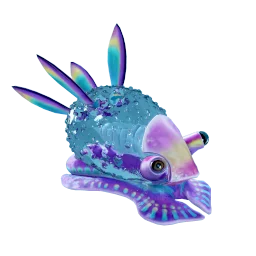
Electric Geordie
DefensivesmallherbivoreOverview
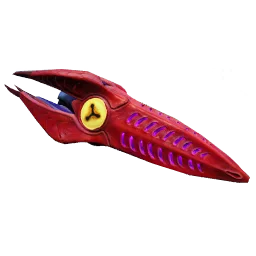
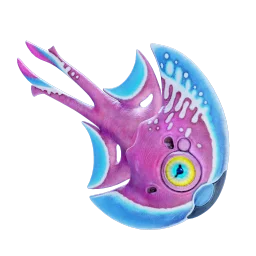
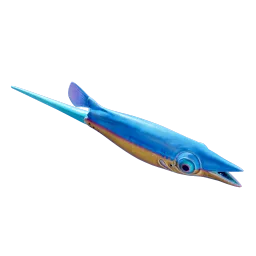
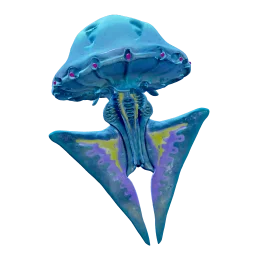
The Electric Geordie (*Salpapod geordiwangi*) is a small defensive herbivore found in the Observatory Ruins at depths of 150–500m. A relative or morph of the common geordie, this creature is uniquely drawn to electrical current — making it one of the most persistent environmental hazards for pioneers building bases in deep water.
Habitat
Behavior & Details
Electric Geordies detect electrical fields through four diverticular pouches filled with a hydrogel similar to the receptive mucus in ampullae of Lorenzini, an organ used by Earth sharks to sense electromagnetic fields. This biological sensor allows them to locate hidden prey and bacterial fibers, but artificial electrical currents act as a superstimulus — an irresistible lure that overrides normal foraging behavior.
With a defensive attitude and herbivore diet, Electric Geordies pose no direct combat threat to divers. Their danger is entirely infrastructural: they tolerate surprisingly high amperages, making them impossible to remove safely by hand or tool without risking short circuits. These short circuits endanger both the geordie and your electrical systems, potentially cascading into critical equipment failures.
Tips & Strategy
Electric Geordies are attracted to any live current. When building bases in the Observatory Ruins at 150–500m, route power conduits away from external walls to reduce the electromagnetic signature that draws them in.
Never attempt to remove an Electric Geordie by hand or tool — they tolerate high amperages and direct contact risks short circuits that can damage both the creature and your electrical systems.
Electrical lures placed away from your base can redirect Electric Geordies to a safe distance. The superstimulus effect of artificial current is stronger than their natural foraging instinct.
Distinguish Electric Geordies from common geordies by their behavior around powered equipment. If small fauna congregate near your base wiring or communication arrays, assume they are the electric variant.
While Electric Geordies are individually harmless to divers, an infestation near critical systems (oxygen generators, fabricators) can cause cascading short circuits. Monitor base integrity warnings when operating in Observatory Ruins depths.
PDA Entry
Spawn Locations (37)
Subnautica 2 Gameplay

Electric Geordie
defensive creature- Attitude
- Defensive
- Depth
- 150–500m
- Sight Range
- 12m
- Food Value
- +20