Subnautica 2 Resources
203 resources documented
Complete list of resources and materials in Subnautica 2, extracted directly from game files. Each entry includes biome locations, depth ranges, obtain methods, and which blueprints require it for crafting. Use the interactive map to find exact spawn locations.
Resources in Subnautica 2 are gathered through harvesting flora and fauna, mining mineral deposits, crafting at fabricators, looting wreckage, and scanning technology fragments. Raw materials like titanium and copper form the foundation of crafting, while advanced components require multi-step processing. Resource availability varies by biome and depth — shallow waters offer basic materials, while rare resources are found in deeper and more dangerous zones. This database tracks every resource in the current Early Access build, updated after each game patch.
Raw (32)

Acidic Raion Pouch
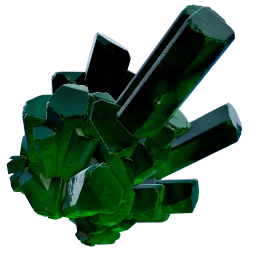
Atacamite
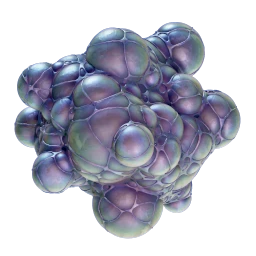
Axum Bacterial Culture
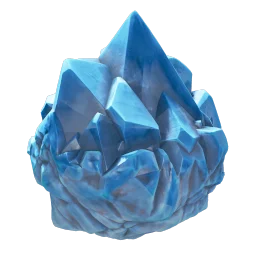
Celestine
Charismatic Slime
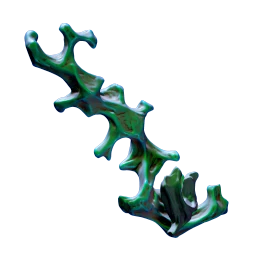
Conduit Crystal
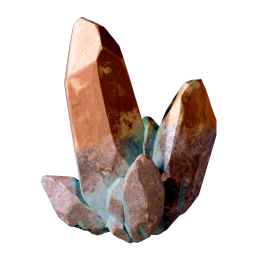
Copper
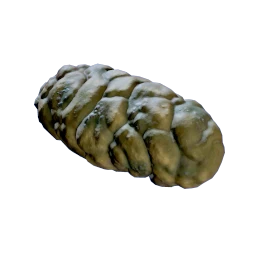
Crab Feces
Creature Enamel
Diamond
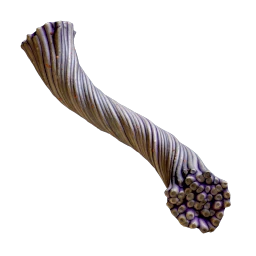
Fiber
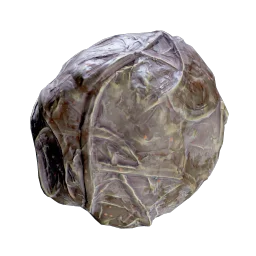
Fibrous Pulp
Gateway Crystal
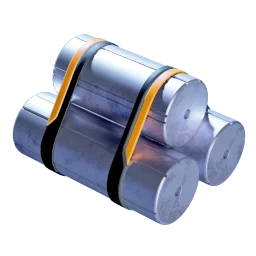
Germanium Ingot
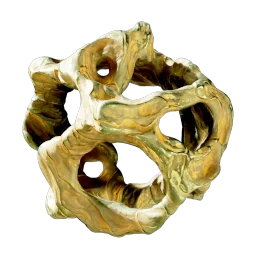
Gold
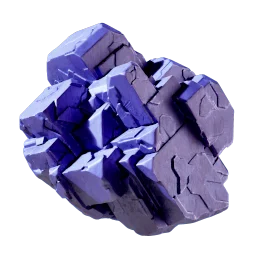
Lead
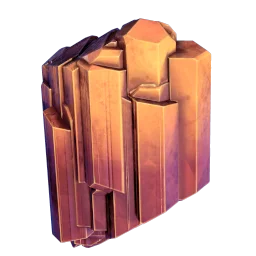
Lithium
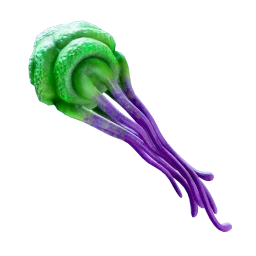
Medical Gel Sac
Necrolei Cyst
Nickel
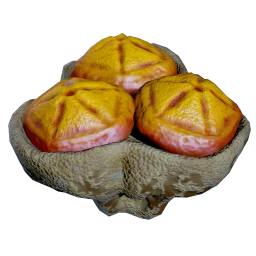
Pent
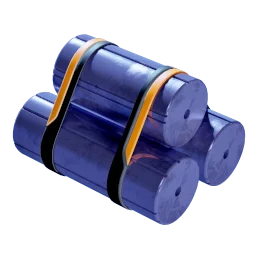
Plasteel Ingot
Pudding Urchin
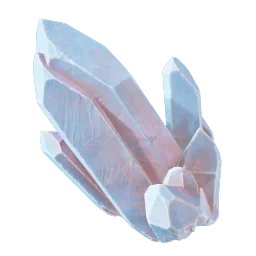
Quartz
Raw Ore
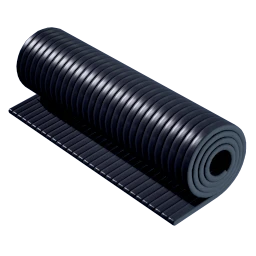
Rubber
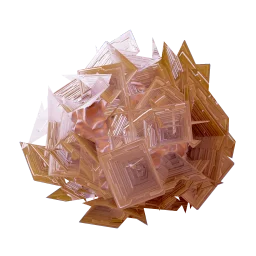
Salt
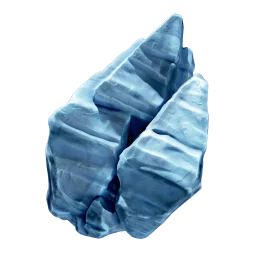
Silver
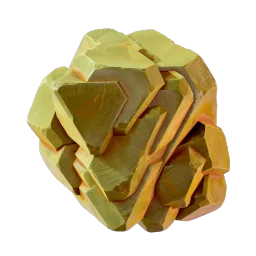
Sulfur
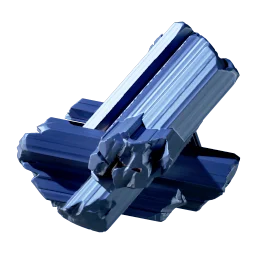
Titanium
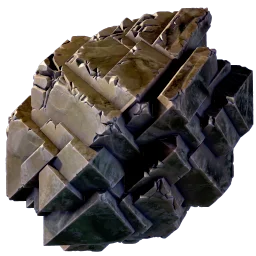
Troilite
Tungsten
Material (127)
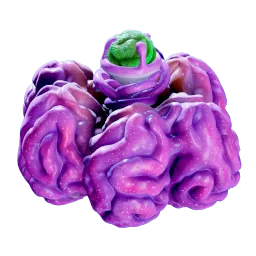
Acid Raion
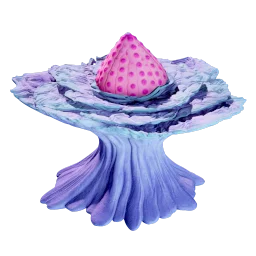
Aeroshell Sponge
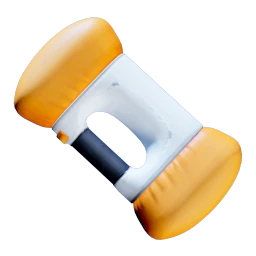
Air Bladder
Airag
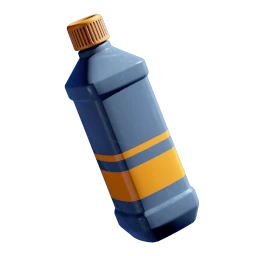
Alcohol
Algae Block
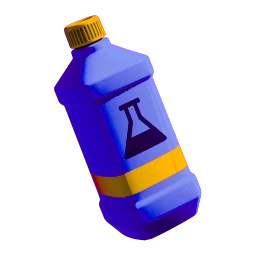
Axum Etching Acid
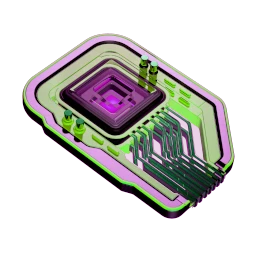
Axum Interface Chip DNL
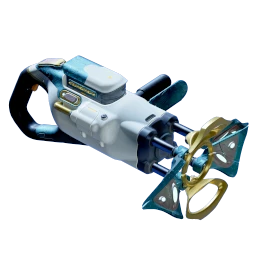
Axum Resonator
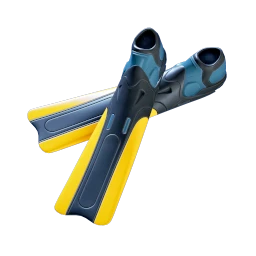
Basic Fins
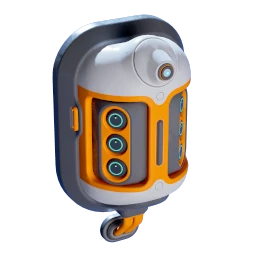
Battery Terminal

Beacon
Biobed Capsule
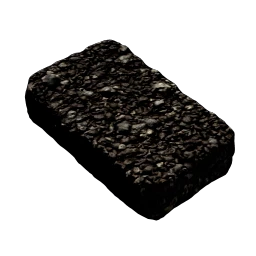
Biofuel Block

Bioscanner
Box of Holding
Broken Welder
Can be deconstructed
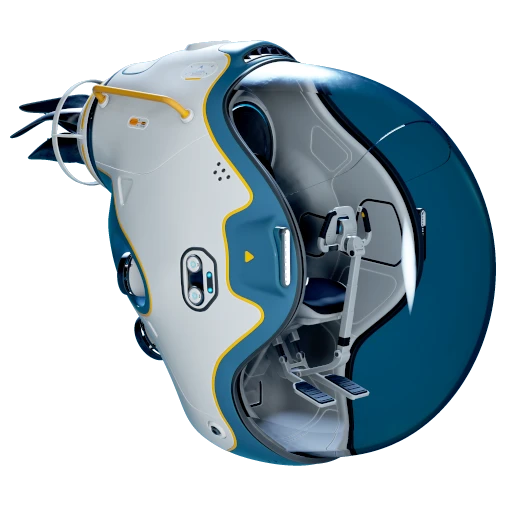
Cavitation Muffler
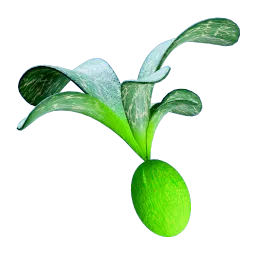
Cherimoya Chutney
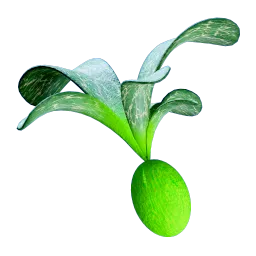
Cherimoya Rotsac
Coral Mash
Coral Shavings
Current Ring
Cyan Glowstick
Cyan Pigmente
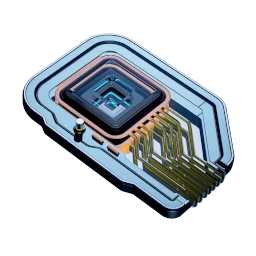
Dedicated Core
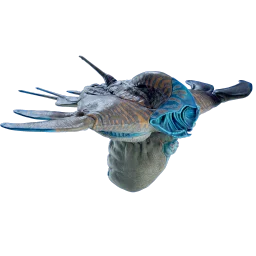
Deepwing Egg Clump
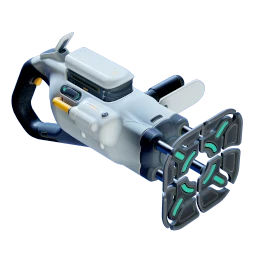
Disperser
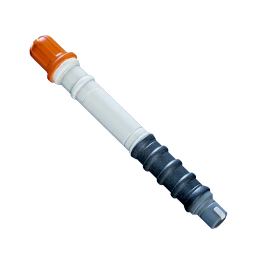
Distraction Flare
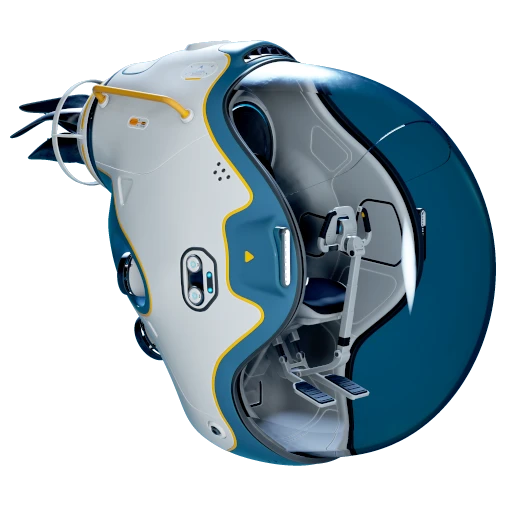
Echo Location

EMT
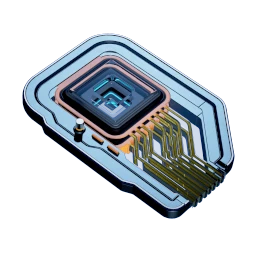
Engine Efficiency
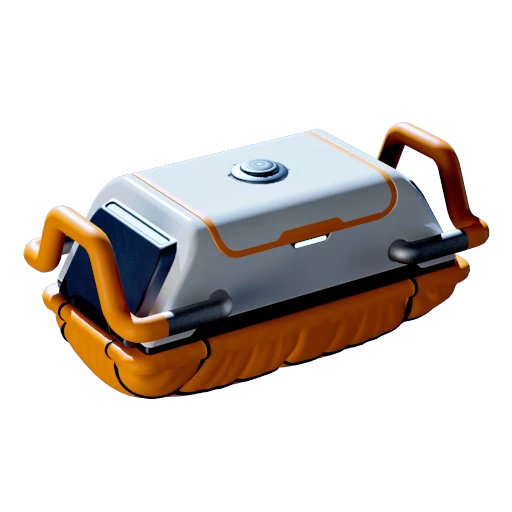
Expanded Deployable Locker
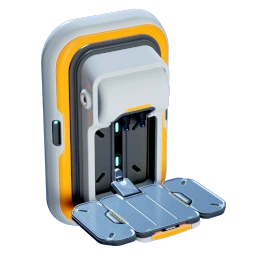
Fabricator
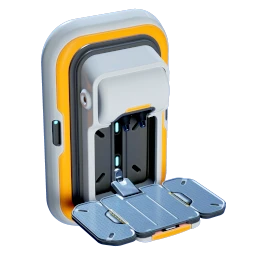
Fabricator Pillar
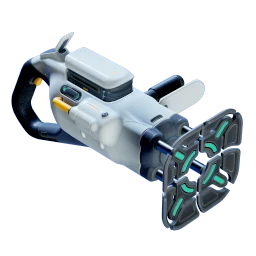
Feedback Resonator
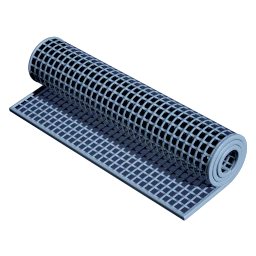
Fiber Mesh
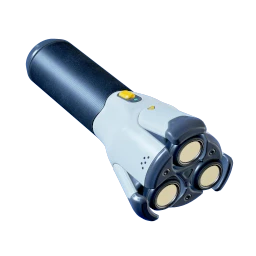
Flashlight
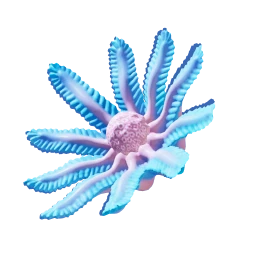
Freesia Flower
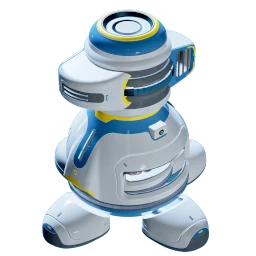
Geothermal Recharger
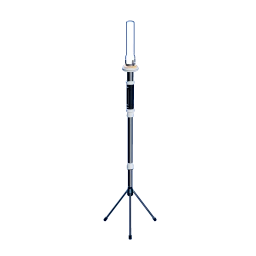
Glowstick
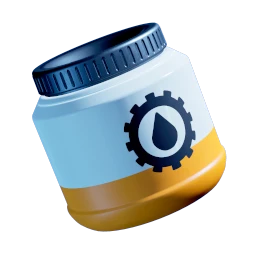
Grease
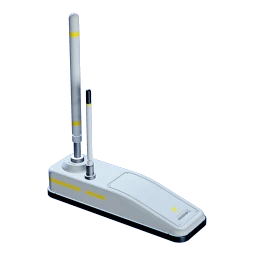
Greeble
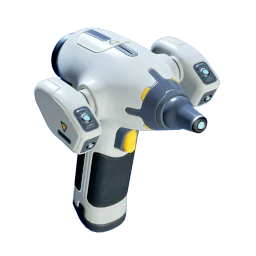
Habitat Builder
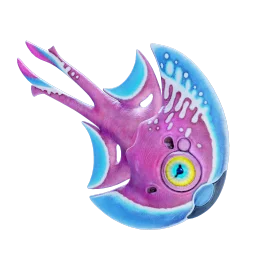
Halfmoon Jerky
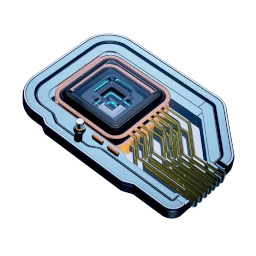
Heat Resistance Chip
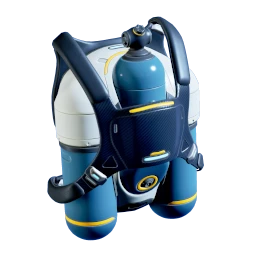
High Capacity Air Tank
High Capacity Deployable Locker
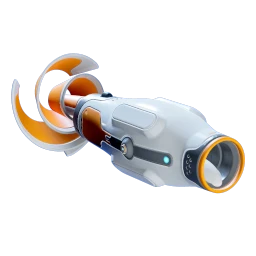
Hydroelectric Turbine
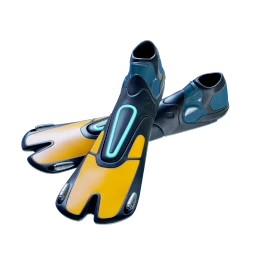
Improved Fins
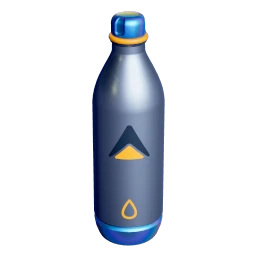
Isotonic Water
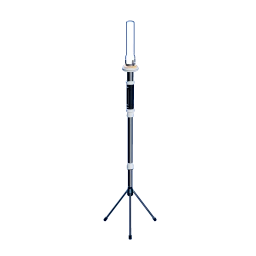
Lightstick
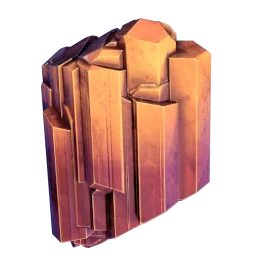
LIthium Grains
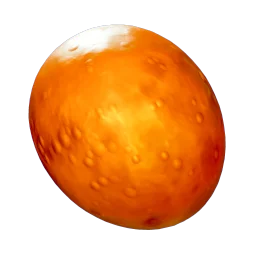
Lucifer Rotsac
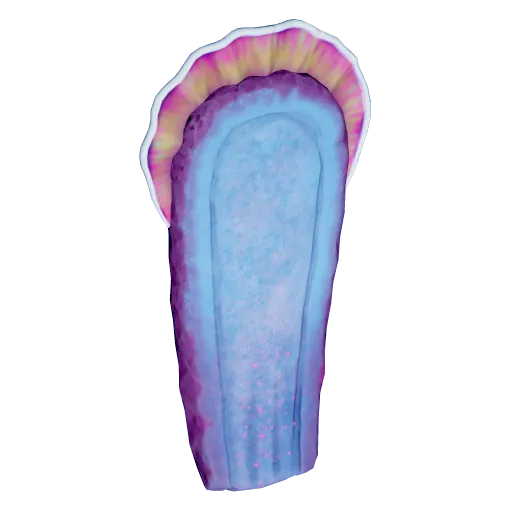
Macaron Crisp
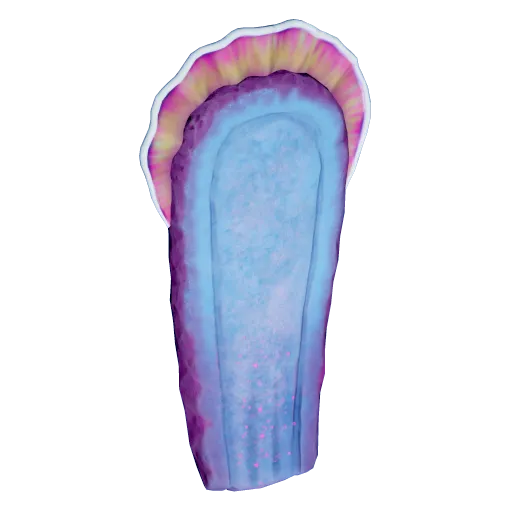
Macaron Lining
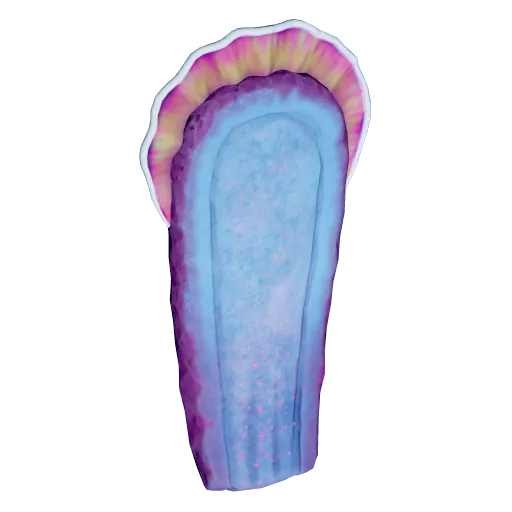
Macaron Sponge
Mare's Milk
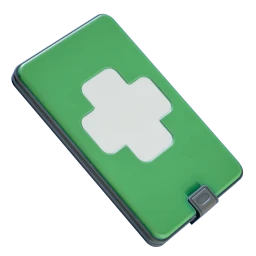
Medkit Fabricator
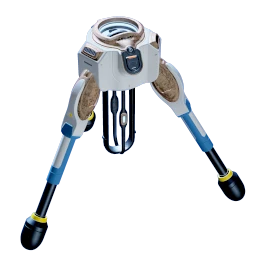
Metal Farm
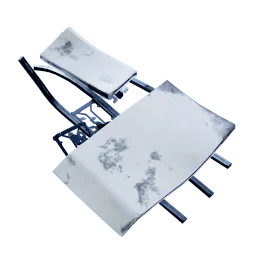
Metal Salvage
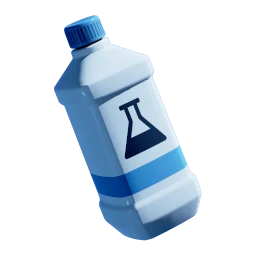
Mild Acid

Mimic Pylon
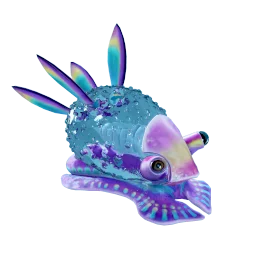
Mineralized Water Tablet
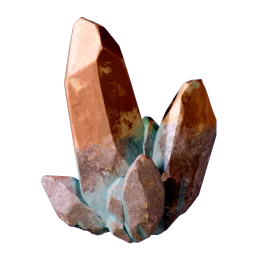
Mining Platform
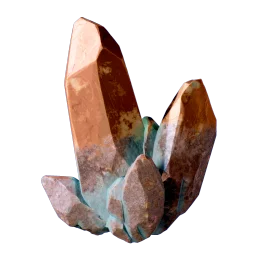
Mining Platform Copper
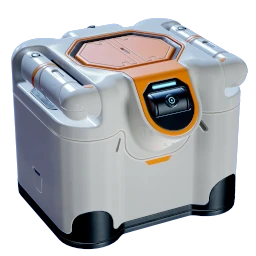
Modification Station
Mushroom Gates
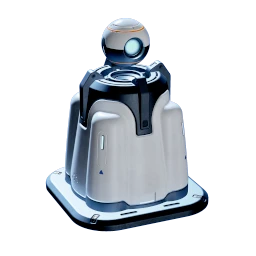
NoA Terminal
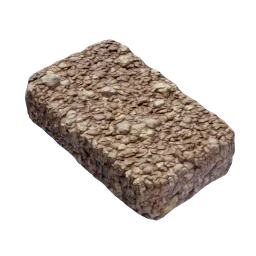
Nutrient Block
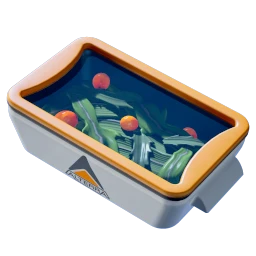
Oily Salad
Organic Matter Sample
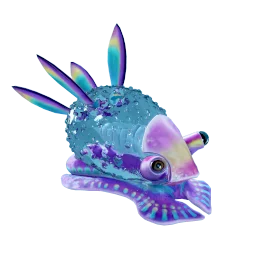
Oxygen Bottle
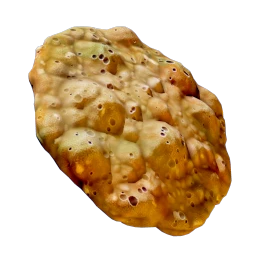
Pavlova
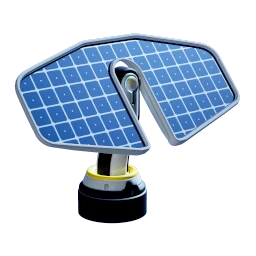
Photovoltaic Charger
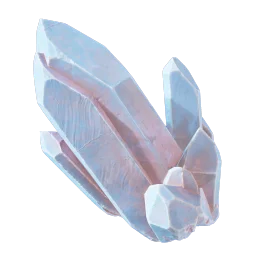
Political Consciousness
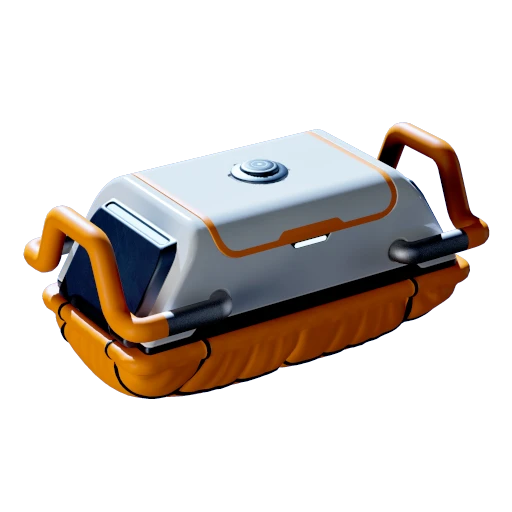
Portable Locker
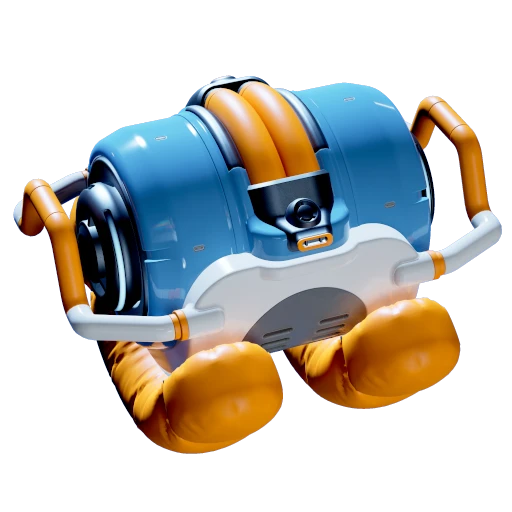
Portable Oxygen Generator
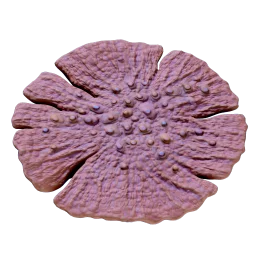
Powdered Shell
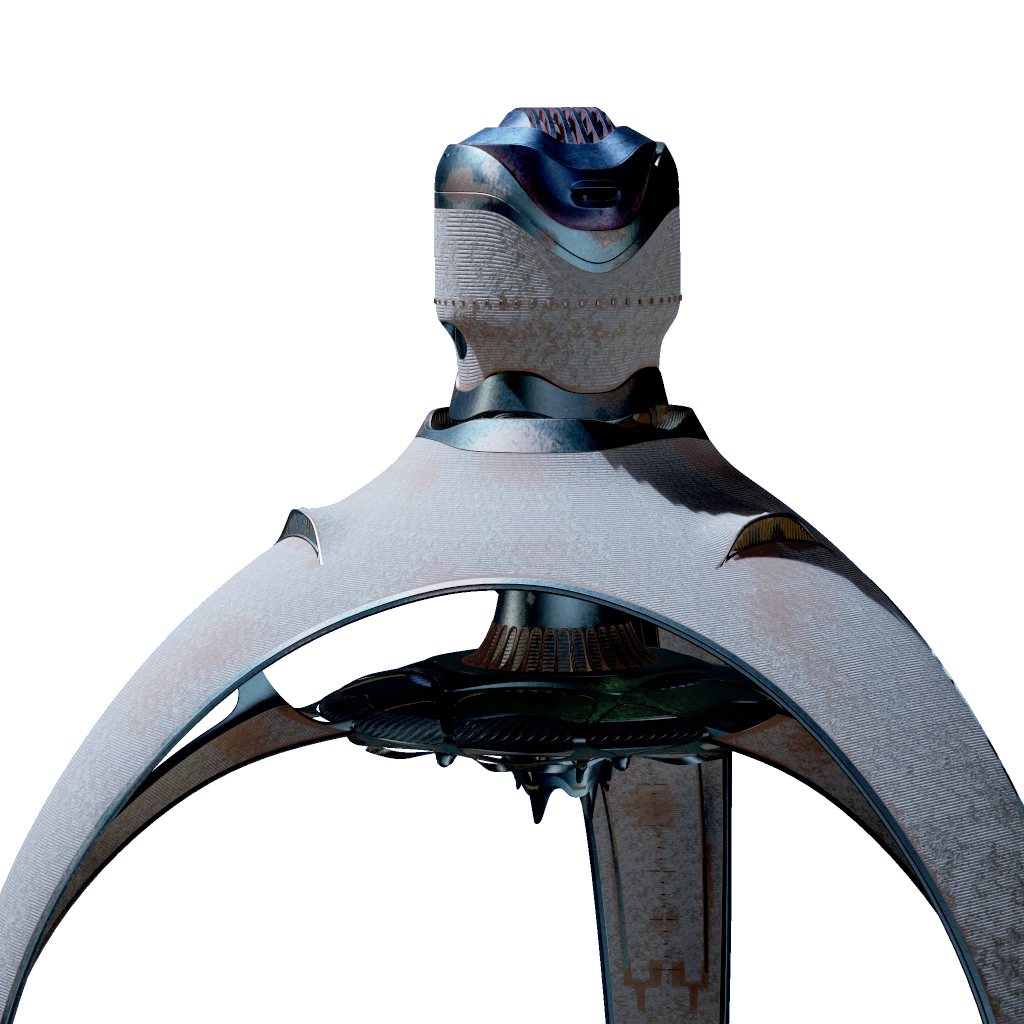
Power Plant Part A
Power Transmitter
Prismatic Shell
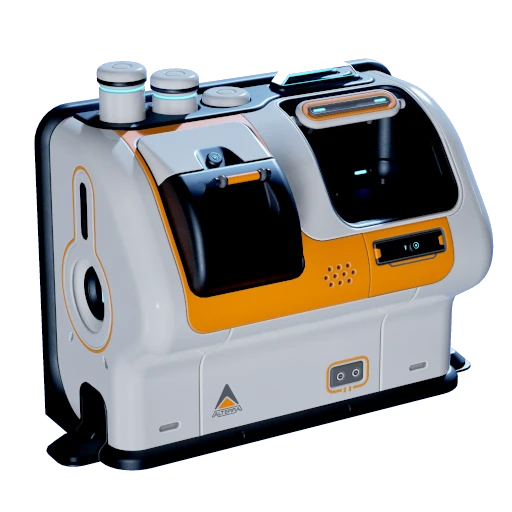
Processor
Rebreather
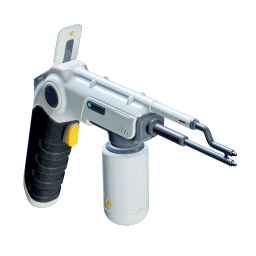
Repair Tool
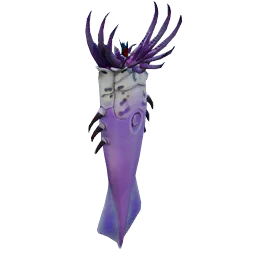
Sandspear

Scanner
Scourge Hive
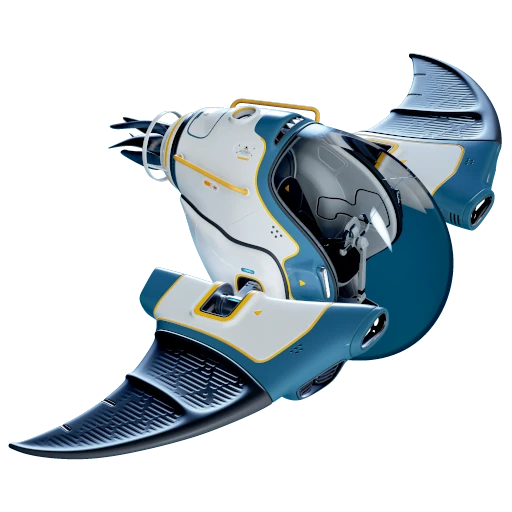
Scout Ray Chassis
Scuba Mask
Seafrog
Shell Piece
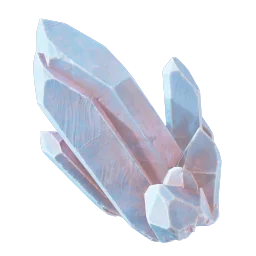
Silica Dust
Slug Ooze
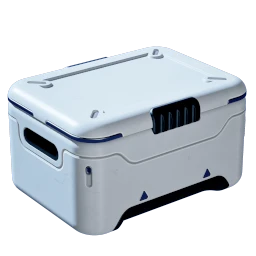
Small Crate
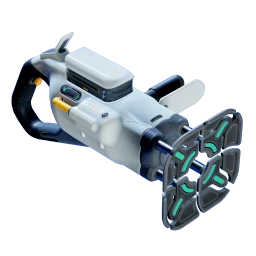
Sonic Resonator

Spotlight
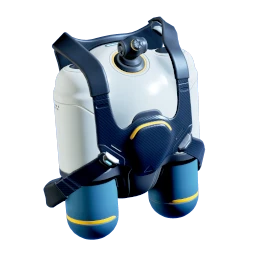
Standard Air Tank
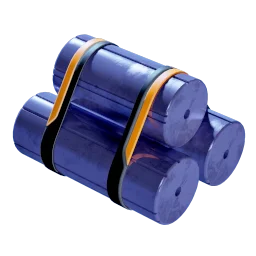
Strike Armor
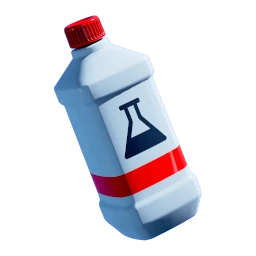
Strong Acid
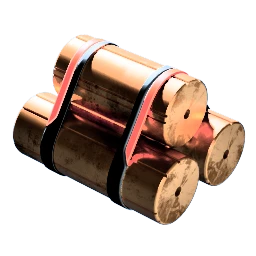
Strontium

Sugar of Saturn
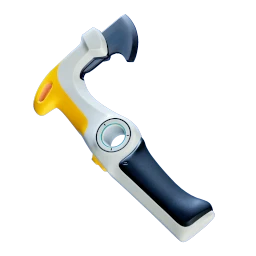
Survival Multitool
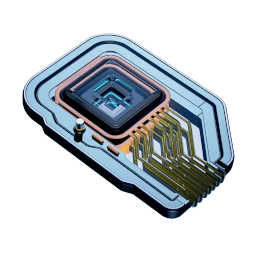
System Chip
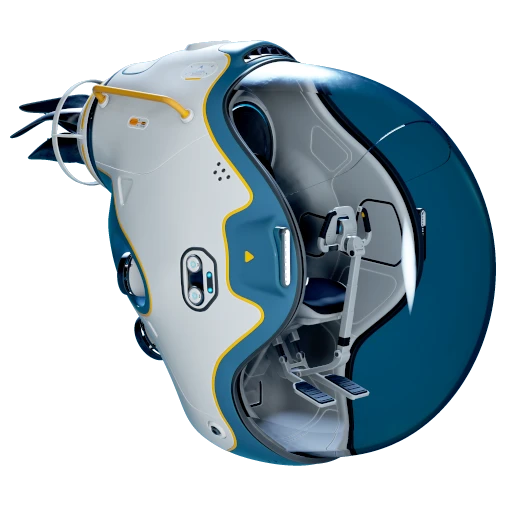
Tadpole
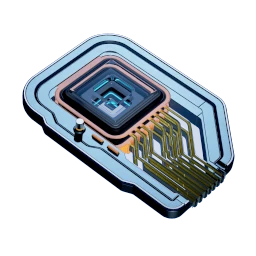
Tadpole Depth Module Mk. 1
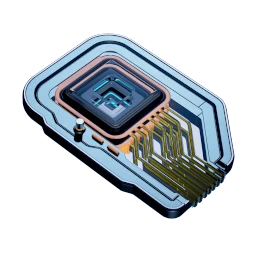
Tadpole Depth Module Mk. 2
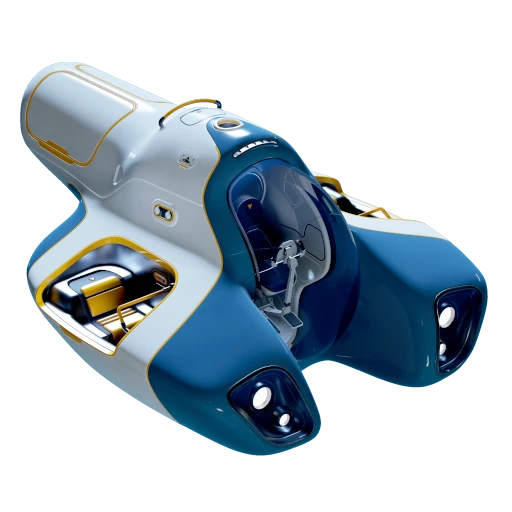
Tadpole Haul Chassis
Tadpole Hull
Tadpole Propeller
Tadpole Wheel
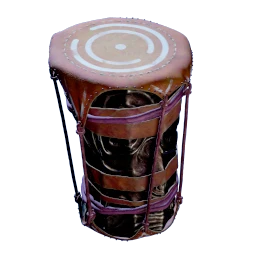
Tailing Drum
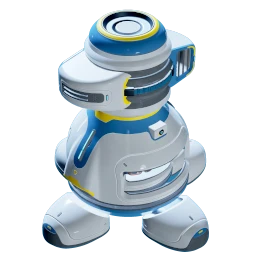
Thermal Plant
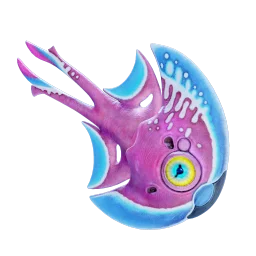
Threemoon Temaki

Time of Day Display
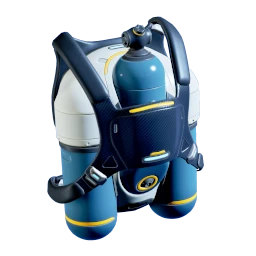
Ultra High Capacity Air Tank
Unobtainium
Urchin Pudding
Veps Egg
Veps Jelly
Wakemaker
Wakemaker Salvage
Wall Locker
Water
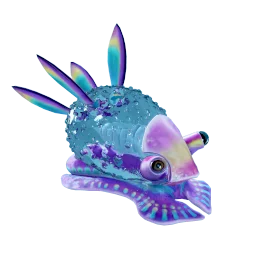
Water Slug

Work Light
Crafted (17)
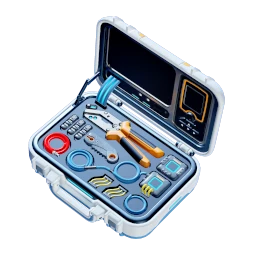
Advanced Wiring Kit
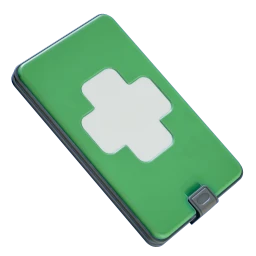
Basic First Aid Kit

Biosampling Kit
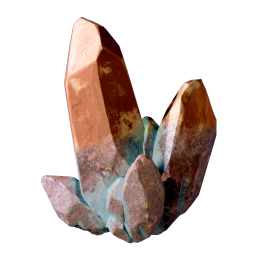
Copper Ingot
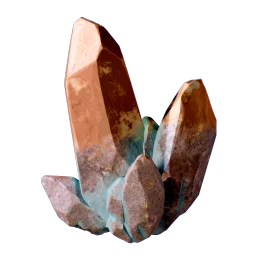
Copper Wire
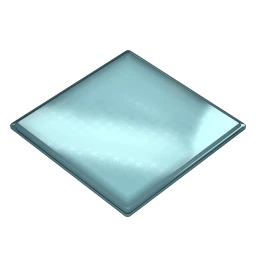
Enameled Glass
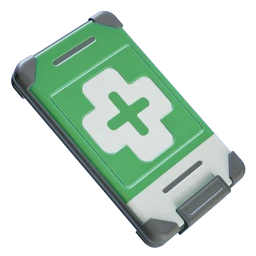
Enhanced First Aid Kit
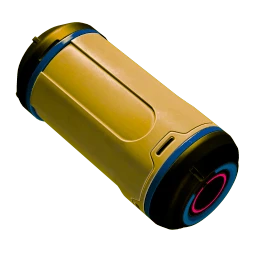
Entangled Power Cell
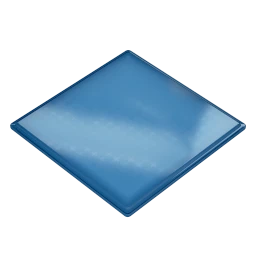
Glass
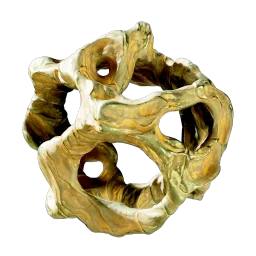
Gold Ingot
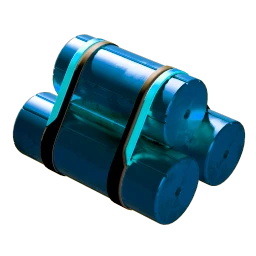
Mangalloy Ingot
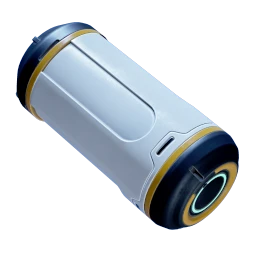
Power Cell
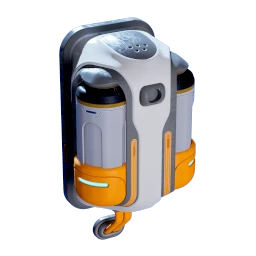
Power Cell Terminal
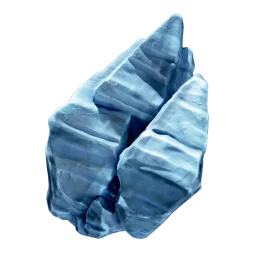
Silver Ingot
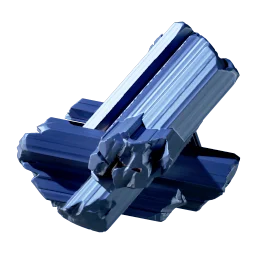
Titanium Ingot
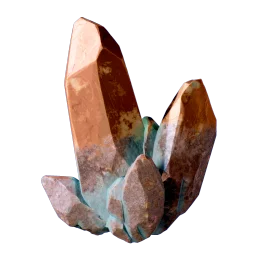
Wire Bundle
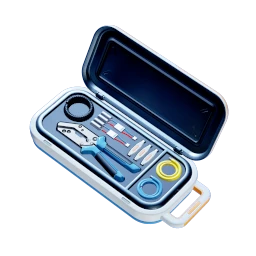
Wiring Kit
Organic (16)
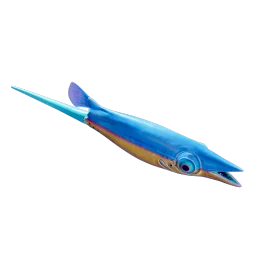
Black Hoverthorn
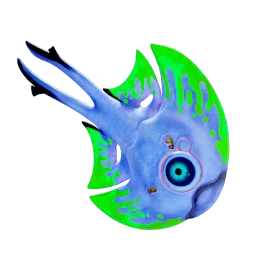
Bluemoon

Electric Geordie
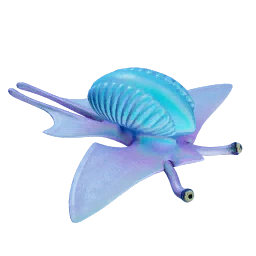
Flash Slug

Geordie
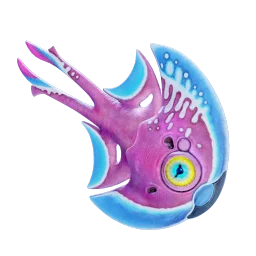
Halfmoon
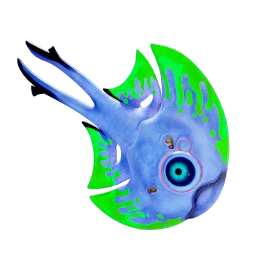
Harvestmoon
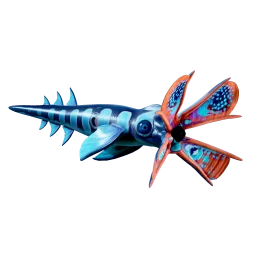
Houndgar
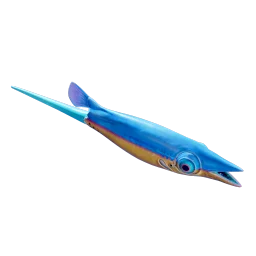
Hoverthorn
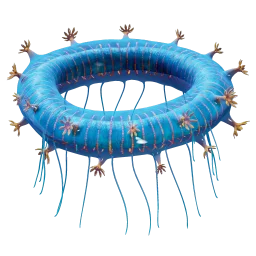
Jelly Ring
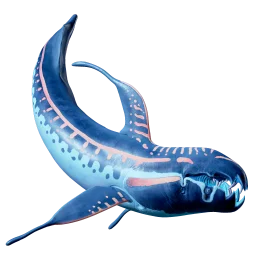
Marrowbreach
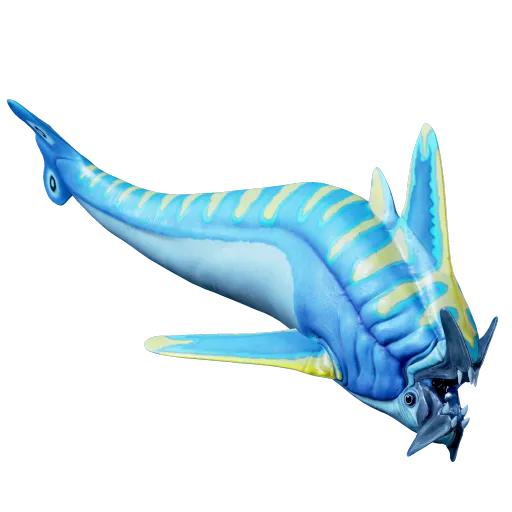
Nibbler Mango
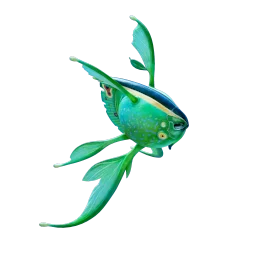
Pneuma

Quadrate

Shadow Geordie
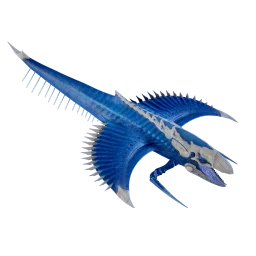
Shiver Leviathan
Food (9)
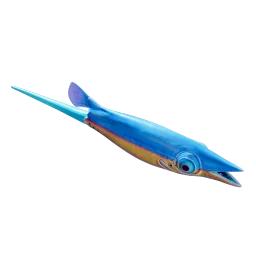



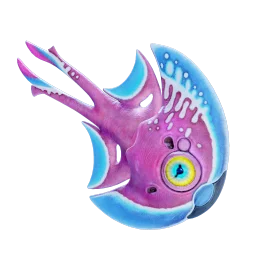
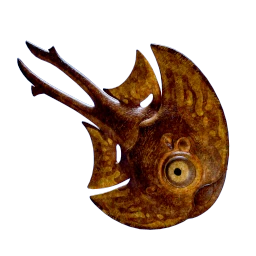
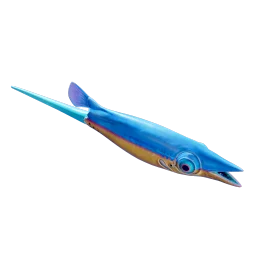
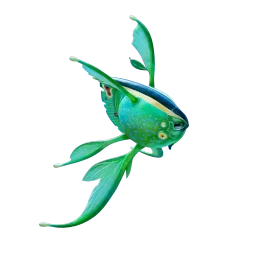

Electronics (2)
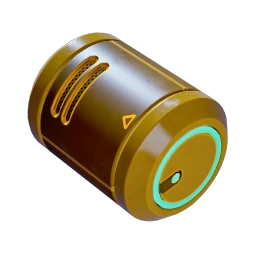
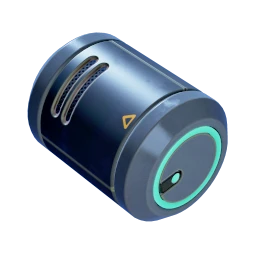
Showing 203 of 203 resources
Resource Categories in Subnautica 2
Raw resources are natural materials found in the environment — minerals, ores, and crystals that can be mined from outcrops or collected from the seabed. These form the base ingredients for nearly all crafting recipes and are the first resources new players need to gather.
Materials are intermediate components created by combining raw resources at a fabricator. Items like wiring kits, silicone rubber, and glass are used across multiple blueprints and are worth keeping stocked in your base storage.
Crafted resources are advanced components that require multiple processing steps. These high-tier materials are typically needed for vehicle modules, advanced tools, and late-game base equipment.
Organic resources come from the alien ecosystem — harvested from plants, coral, and creatures. They are used in food preparation, medical items, and some specialized crafting recipes.
How to Obtain Resources
Harvesting is the most common method — pick up items directly from the environment. Flora, coral samples, and surface deposits can all be harvested by hand. Some resources require specific tools to harvest efficiently.
Mining involves breaking mineral deposits with tools or vehicles. Large resource deposits yield more materials than surface nodes but are often found in deeper, more dangerous areas. The Prawn Suit drill arm enables mining of the largest deposits.
Crafting produces processed materials and advanced components at fabricators and specialized stations. Check each resource's detail page to see the full crafting chain — what raw materials you need and which station to use.
Frequently Asked Questions
Where do I find titanium in Subnautica 2?
Titanium is one of the most common raw resources. It can be mined from limestone outcrops found in shallow biomes like the Coral Gardens and Sparse Plains. Check the titanium detail page for exact spawn coordinates and all biome locations.
How many resources are in Subnautica 2 Early Access?
The current Early Access build contains 203 documented resources across all categories — raw materials, processed components, organic items, food, and electronics. More resources are expected as new crafting recipes and biomes are added in future updates.
What is the rarest resource in Subnautica 2?
Resource rarity correlates with depth — materials found only in deep biomes (300m+) are typically the hardest to obtain. Filter the list above by depth range or use the interactive map to find specific resource locations.