Cerathecan
AggressivelargeOverview
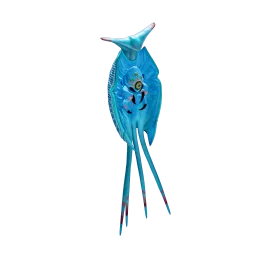
The Cerathecan (*Exile cerathecan*) is an aggressive large creature found at depths of 50–250m in Subnautica 2. Hidden inside an upright double-valved shell, this crustacean delivers one of the highest single-hit attacks in the game — a devastating 100-damage bite that can cripple an unprepared diver in one strike.
Attacks & Abilities
Behavior & Details
The Cerathecan pilots its shell through a central eye and periscopic ears, feeding with a cluster of basal tentacles at its base. The shell interior is lined with paralytic neurotoxin that immobilizes struggling prey, and the creature's own shell muscles are paralyzed by this toxin — it must secrete an antidote before it can open. This means the Cerathecan has a predictable vulnerability window: it can only attack when the shell is open.
With a scan time of 4 seconds and a sight range of 2,500 units, the Cerathecan requires careful approach planning. Its slow-moving grazing pattern along the seafloor makes it deceptively docile between feeding moments. However, its 0 listed HP suggests it may be invulnerable while its shell is closed, relying entirely on armored defense rather than health.
Tips & Strategy
The Cerathecan's 100-damage bite is one of the deadliest single attacks in the game. Never approach while the shell is open and tentacles are actively feeding — maintain at least 15 meters of clearance.
Scanning takes 4 seconds. The safest window is when the shell is closed and the Cerathecan is moving between grazing spots — it cannot attack without first secreting its shell-opening antidote.
With a 2,500-unit sight range, the Cerathecan detects you at moderate distance. Approach from above or behind the shell's hinge (umbo) where the central eye has limited visibility.
The shell interior's paralytic neurotoxin means any contact with the open shell is dangerous, not just the bite. Keep tools and limbs clear of the shell opening at all times.
Look for Cerathecans grazing slowly along the seafloor at 50–250m depth. Their upright shell silhouette is distinctive — if you see what looks like a moving oyster, give it a wide berth until you confirm the shell is closed.
PDA Entry
Spawn Locations (20)
Subnautica 2 Gameplay
Cerathecan
aggressive creature- Attitude
- Aggressive
- Depth
- 50–250m
- Scan Time
- 4s
- Sight Range
- 25m